
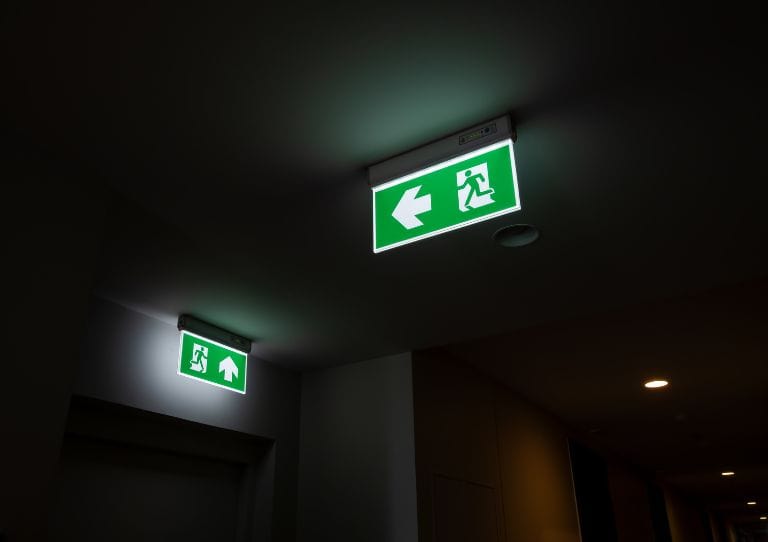
When the power goes out in a commercial building, everything changes instantly. Visibility drops, operations pause, and safety becomes the top priority. In those moments, emergency lighting systems play a critical role in guiding employees, customers, and visitors to safety.
For businesses across the Portland metro area, having properly installed and maintained emergency lighting systems isn’t just a safety feature—it’s a requirement. These systems are designed to activate automatically during power failures, ensuring your building remains navigable and compliant with safety regulations.
Understanding how emergency lighting works and why it matters can help business owners make smarter decisions about protecting their property and the people inside it.
What Emergency Lighting Systems Do
Emergency lighting systems are designed to provide illumination when normal power sources fail. This includes lighting for exit paths, stairwells, hallways, and other critical areas that people rely on during an evacuation.
When a power outage occurs, these systems activate automatically, typically powered by battery backups or generator systems. The goal is simple: provide enough light for occupants to move safely and exit the building without confusion or delay.
In larger commercial properties, emergency lighting works alongside exit signage and backup power systems to create a clear and reliable path to safety.
Why Emergency Lighting Is Critical for Safety
In an emergency situation, even a few seconds of disorientation can lead to panic. Without proper lighting, people may struggle to find exits, navigate obstacles, or move safely through unfamiliar areas.
Emergency lighting systems reduce confusion and improve evacuation speed, helping prevent injuries and keeping occupants calm. This is especially important in buildings with high occupancy, complex layouts, or limited natural light.
For businesses that operate in the early morning, evening, or overnight hours, emergency lighting becomes even more essential. When visibility is already low, a sudden loss of power without backup lighting can create serious risks.
Meeting Code Requirements and Avoiding Violations
Emergency lighting isn’t optional for commercial properties—it’s required by building and fire safety codes. These codes outline where lighting must be installed, how long it must operate during an outage, and how often systems should be tested.
Failing to meet these requirements can result in fines, failed inspections, or even temporary shutdowns until issues are corrected. For business owners, that means potential disruptions and unexpected expenses.
Working with a licensed electrician ensures your system meets all applicable standards and is properly documented for inspections. This is especially important during remodels or tenant improvements, where code compliance is closely reviewed.
Supporting Business Continuity During Power Outages
While emergency lighting is primarily focused on safety, it also supports basic continuity during power interruptions. Even short outages can disrupt operations, especially in retail environments, warehouses, and office settings.
With adequate lighting in place, employees can safely secure equipment, assist customers, and manage the situation more effectively until power is restored. In some cases, emergency lighting works alongside broader electrical planning and services to maintain partial functionality.
That added layer of preparedness can make a significant difference in how smoothly your business handles unexpected events.
Common Issues With Outdated or Poorly Maintained Systems
Like any electrical system, emergency lighting requires regular maintenance to remain reliable. Over time, batteries degrade, components wear out, and systems may fall out of compliance if they’re not inspected.
Older systems may not provide adequate illumination or may fail to activate properly during an outage. In many cases, issues aren’t discovered until they’re needed most—which is exactly when reliability matters most.
Routine inspections and testing help ensure your system works when it’s needed, not just when it’s installed.
When to Upgrade Your Emergency Lighting System
There are several situations where upgrading your emergency lighting system makes sense. If your building is older, has undergone renovations, or has experienced changes in occupancy or layout, your existing system may no longer meet current requirements.
Frequent battery replacements, dim lighting, or inconsistent performance are also signs that it’s time to consider an upgrade. Modern systems often use energy-efficient LED technology, which provides brighter illumination and longer-lasting performance.
Upgrading also improves overall system reliability and reduces ongoing maintenance needs.
The Role of Professional Installation and Planning
Emergency lighting systems must be installed correctly to function as intended. Placement, coverage, power sources, and integration with other systems all play a role in effectiveness.
Professional electricians evaluate your building layout, identify critical areas, and design a system that meets both safety requirements and operational needs. This is particularly important in larger facilities or buildings with unique layouts.
Proper installation also ensures your system integrates seamlessly with other infrastructure, including panels, circuits, and any backup power systems such as electrical panels and load centers.
Peace of Mind for Business Owners
At the end of the day, emergency lighting is about more than compliance—it’s about confidence. Knowing your building is equipped to handle unexpected situations allows you to focus on running your business.
When systems are installed and maintained properly, they provide a reliable safety net that protects both people and property. That peace of mind is invaluable, especially in environments where safety and accountability are critical.
Trust Parkin Electric for Emergency Lighting Solutions
Since 1945, Parkin Electric has helped businesses across the Portland metro area design and maintain safe, code-compliant electrical systems. Our licensed electricians understand the importance of reliable emergency lighting systems and provide solutions tailored to your building’s needs.
From new installations to system upgrades and inspections, we ensure your emergency lighting is ready when it matters most.
Need to upgrade or inspect your emergency lighting system? Contact Parkin Electric today to schedule a consultation and keep your commercial property safe and compliant.