Around 80% of power outages in the U.S. are weather-related, according to Climate Central, and they’re lasting longer than ever. A few hours without electricity might be an inconvenience. A few days? That’s a serious threat to your food, comfort, safety, and business.
Installing a backup generator isn’t something you can afford to get wrong. You need someone who knows what they’re doing. A licensed generator installer ensures the job is done right, safely, and in full compliance with local codes.
Whether you want to power critical appliances or keep your whole home or business running, this post explains why professional installation is key.
Safety Comes First
Electrical work always carries risk, but generator installations add another layer. You’re mixing electricity, fuel, and sensitive systems.
One wrong move can cause a gas leak, electrical fire, or carbon monoxide exposure. That’s why you need a licensed generator installer on the job.
Licensed electricians follow state and national safety codes. These standards exist to prevent accidents and protect your property. DIY installs often miss key steps that reduce risks, like proper grounding, ventilation, or gas line connections.
Code Compliance and Permits
Electric codes aren’t suggestions; they’re law. A licensed installer understands the National Electrical Code (NEC), state regulations, and local permit requirements. This helps avoid costly mistakes and legal issues.
Licensed professionals typically handle the full permit process. That includes filing paperwork, scheduling inspections, and updating any outdated wiring. You’ll pass inspections the first time and avoid hold-ups.
In some areas, installing a generator without a permit could mean:
- Fines or stop-work orders from the city
- Voided home insurance coverage in the event of damage
- Delays in property sales due to failed inspections
The generator installation guide from your manufacturer may outline best practices, but only a professional can confirm your installation meets code where you live.
Proper Sizing and System Design
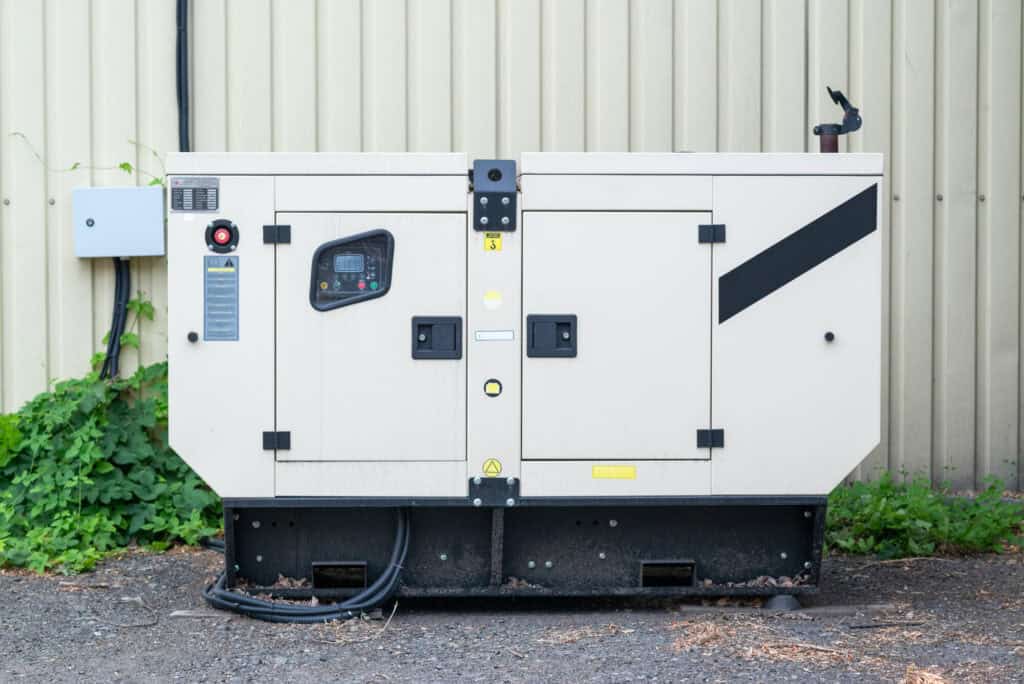
Generator size matters more than you think. Too small, and it won’t run what you need. Too big, and you waste fuel and money. A licensed generator installer will assess your electrical load and choose a model that fits your setup.
You might need power for your whole home, or just the essentials. In either case, the right design keeps your system running efficiently. This avoids overloaded circuits or unnecessary costs.
For instance, Parkin Electric’s electricians often review your:
- Main service panel capacity
- Number and type of high-demand appliances
- Fuel source and line capacity
- Future plans that could change your power needs
This kind of planning gives you reliable home backup power solutions that work long-term.
Seamless Transfer Switch Installation
Transfer switches make generator systems safe and automatic. They detect a power outage and switch your home from utility power to generator power. When power returns, they switch back. This prevents dangerous feedback into the utility grid.
Without a transfer switch, you’d have to manually run extension cords or plug devices into the generator itself. That setup is clumsy, often unsafe, and can overload circuits.
The risks of skipping a transfer switch include:
- Backfeeding electricity into the grid, risking worker injury
- Damaging electronics with unstable power
- Power interruptions during changeover
Professional installers make sure your switch works smoothly every time. This kind of efficient generator setup is what makes the system worth the investment.
Warranty Protection
Manufacturers usually require licensed installation to keep the warranty valid. If something breaks, they’ll ask for proof of correct setup. Without it, repairs might come out of your pocket.
A licensed installer provides documentation showing that your generator was installed to spec. That could be the difference between a free replacement and an expensive repair.
Warranties vary, yet most cover:
- Generator parts and internal components
- Transfer switch systems
- Labor costs for warranty repairs
- Remote monitoring or smart control systems
So, if your system includes these features, keep that coverage intact from day one.
Ongoing Maintenance and Support
Generators need regular attention to stay reliable. Even when unused, they require oil changes, system checks, and part replacements. A licensed installer can usually offer professional generator services to maintain your unit.
This is one of the overlooked benefits of hiring a pro. They know your system inside and out and can spot issues before they cause failures. Maintenance isn’t just about keeping the lights on; it helps extend the life of your equipment.
Here’s what a typical generator service may include:
- Running diagnostic tests
- Inspecting fuel lines and tanks
- Replacing filters and spark plugs
- Updating firmware on smart models
Some installers offer annual service plans that save you time and money. That’s especially useful during storm season, when generator use tends to spike.
Insurance and Liability Coverage
Things can go wrong on any job site. If an installer is injured or damages your property, you need to know you’re protected. Licensed contractors carry liability and workers’ comp insurance for this reason.
For example, if someone accidentally damages your siding while installing the transfer switch box, their insurance covers it. Without that coverage, you might be stuck with the bill.
In fact, states like Oregon require contractors to carry insurance by law. That should give you confidence when hiring someone qualified.
Some protections a licensed contractor usually carries:
- General liability for property damage
- Workers’ comp if someone is hurt on the job
- Bonding, which guarantees project completion
- Risk insurance for construction work
Parkin Electric is fully licensed, bonded, and insured. We also handle complex installs like manufactured home systems, pools, and transfer switches. That means we’re already set up for a wider range of projects than most residential electricians.
Protect Your Home With a Professional Generator Installer
Hiring a licensed generator installer protects your home, your safety, and your investment. From code compliance to long-term reliability, professional installation offers real peace of mind.
At Parkin Electric, we’re a third-generation, family-operated business that’s proudly served the Oregon City area for decades. We specialize in generator and transfer switch installation, and we back it with local knowledge, licensed professionals, and a full range of electrical services to support your entire home or business.
Need a backup plan you can count on? Contact Parkin Electric today for expert generator installation and support.